
Health -
Ophthalmology
What are eyes?
Your eyes are the sensory organs that allow you to see. Your eyes capture visible light from the world around you and turn it into a form your brain uses to create your sense of vision. Your brain doesn’t have sensory abilities of its own. It needs your eyes (and other senses, like hearing and touch) to gather information about the world around you.
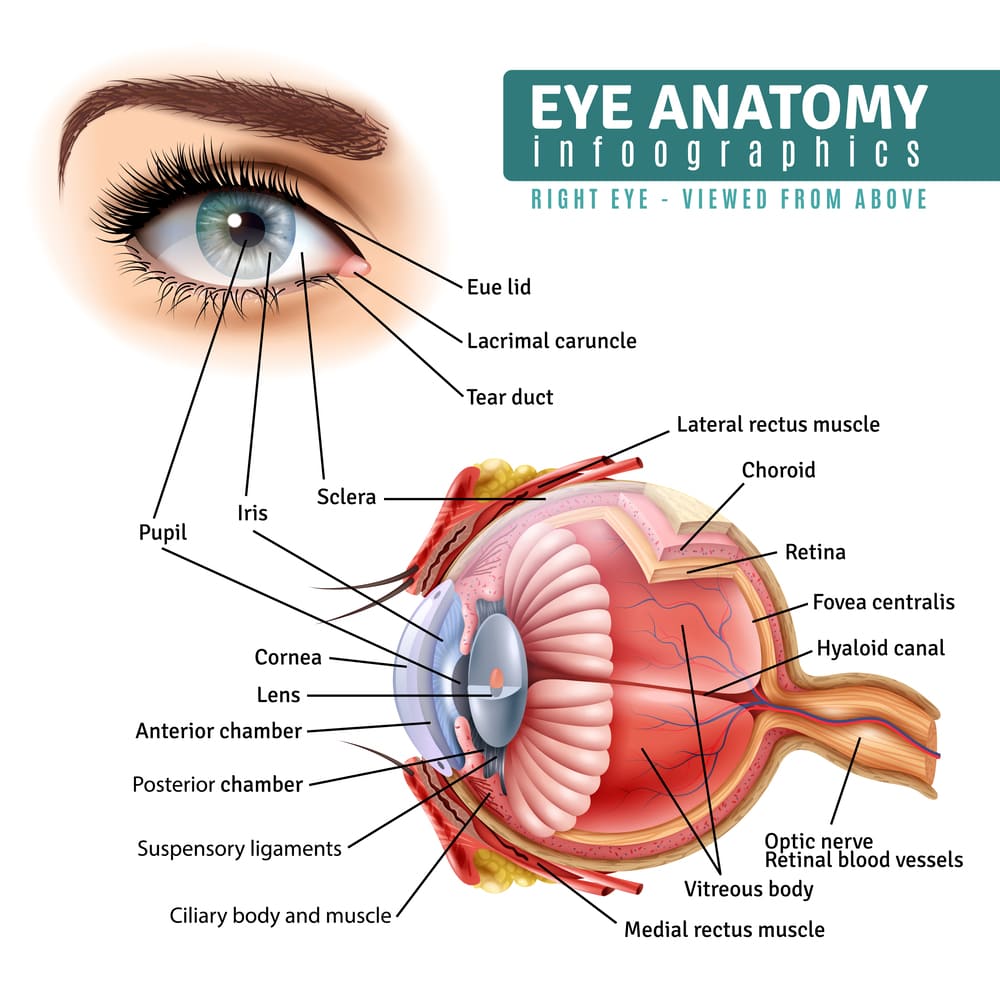
Ophthalmology:
Ophthalmology is the specialized field of medicine that focuses on the health of the eye. It includes the anatomy, physiology and diseases that may affect the eye.

An ophthalmologist can diagnose and treat a wide range of eye and vision issues, including:
- Farsightedness (hyperopia).
- Nearsightedness (myopia).
- Astigmatism.
- Amblyopia (lazy eye).
- Posterior vitreous detachment (PVD).
- Age-related eye problems (like macular degeneration).

Hyperopia (Farsightedness)
Hyperopia (farsightedness) is an eye condition that causes blurry vision when looking at things close up (like words in a book). You may also have headaches or eye strain. Eyeglasses, contact lenses and surgery can correct your vision and ease your discomfort.
How common is hyperopia?
Globally, hyperopia may affect about 4.6% of children and 30.9% of adults, according to one analysis
What are the symptoms of hyperopia?
- Blurry vision, especially when looking at things that are close to your face.
- Blurred vision/fatigue at night.
- Difficulty reading.
- Double vision when reading.
- Dull pain in your eye.
- Eye strain.
- Squinting when reading.
Children with hyperopia may have these symptoms but also rub their eyes often or seem uninterested in reading.
What causes hyperopia?
- Having an eyeball that’s relatively short (from front to back). Healthcare providers call this “decreased axial length.”
- Having a cornea that’s flatter than expected.
What are the complications of this condition?
Hyperopia can cause uncomfortable symptoms (like headaches) that make it harder for you to do your daily tasks.
Children with high degrees of hyperopia may develop amblyopia (lazy eye) or strabismus (eyes that look in different directions). Eye exams during childhood can identify refractive errors like hyperopia before they lead to complications.
Can you prevent hyperopia?
There’s no proven way to prevent hyperopia.
However, some lifestyle habits can help keep your eyes healthy. Tips include:
- Eat a nutritious diet. Nutrients like vitamin A, vitamin C, vitamin E and lutein help protect your vision. To get these benefits, add lots of fruit (like grapefruit and strawberries) and veggies (like leafy greens) to your plate.
- Get regular eye exams. Your provider can check for eye problems before you have symptoms.
- Wear sunglasses, even on cloudy days. Choose sunglasses that block 99% or more of the sun’s ultraviolet (UV) radiation.
- Rest your eyes regularly. Looking at a screen for hours can tire your eyes and lead to computer vision syndrome. Making some small changes to your routine can help prevent or ease discomfort.
Myopia (Nearsightedness)
Myopia (nearsightedness) is a common condition that’s usually diagnosed before age 20. It affects your distance vision — you can see objects that are near, but you have trouble viewing objects that are farther away like grocery store aisle markers or road signs. Myopia treatments include glasses, contact lenses or surgery.
How common is myopia?
Myopia is common. According to one estimate, more than 40% of people in the U.S. have nearsightedness. This number is rapidly rising, especially among school-aged children. Eye experts expect this trend to continue in the coming decades.
One in four parents has a child with some degree of nearsightedness. Some eye experts believe that if your child spends a great deal of time engaged in “near” activities, such as reading or using smartphones and computers, it may raise their risk of developing myopia.
What are the symptoms of myopia?
If you have nearsightedness, you may notice:
- Faraway objects look blurred or fuzzy.
- Close items appear clear.
- Headaches.
- Eye strain.
- Squinting.
- Tiredness when driving, playing sports or looking more than a few feet away.
What are the complications of myopia?
some cases of pathologic myopia can lead to more serious eye conditions, including:
- Cataracts.
- Glaucoma.
- Optic neuropathy.
- Neovascularization.
- Retinal detachment.
Pathologic myopia may make you more vulnerable to other more serious eye conditions. These include:
- Developing unwanted blood vessels in your eye (neovascularization).
- Glaucoma.
- Myopic optic neuropathy.
- Retinal detachment.
- Cataracts.
High myopia happens when your child’s eyeballs are too long, or their corneas are too steep
Astigmatism
Astigmatism is a common type of refractive error. It means that some part of your eye (either the cornea or lens) is more curved than it should be. This altered eye shape makes your vision blurry. Most cases of astigmatism can be treated with corrective lenses like eyeglasses or contact lenses.
Who is affected by astigmatism?
Anyone can experience astigmatism. You can develop it at any point in your life. Some people are born with astigmatism. Others don’t develop it until they’re adults. It can get better or worse over time.
Astigmatism is very common. 1 in 3 people has astigmatism.
What are astigmatism symptoms?
Blurred vision is the most common astigmatism symptom. It also makes it hard to see details on objects, like the words printed on a menu in front of you, or letters on a road sign in the distance.
Other astigmatism symptoms include:
- Seeing a glare or halos around lights.
- Squinting to see clearly.
- Headaches.
- Fatigue.
- Eye strain.
Some young children don’t know there’s anything wrong with their vision, even if they’re experiencing symptoms. Visit an eye care specialist if you notice your child squinting, rubbing their eyes or having frequent headaches.
What causes astigmatism?
Astigmatism is usually hereditary, which means it’s a condition biological parents pass down to their children. It can also be caused by your eyelids putting too much pressure on your cornea.
Amblyopia (Lazy Eye)
Amblyopia (lazy eye) causes blurry vision in one eye when something affects how a child’s eyes are developing. As their brain ignores the weaker eye, that eye drifts out of position. Amblyopia is the most common vision issue that affects kids. It’s rare, but amblyopia can affect both eyes at the same time.
How common is amblyopia?
Amblyopia is the most common reason kids lose their vision. It affects around 5% of children younger than 15.
What are lazy eye symptoms?
A child with amblyopia may:
- Bump into objects (especially on one side of their body).
- Favor one side of their body.
- Shut one eye or squint a lot.
- Frequently tilt their head to one side.
- Have crossed eyes.
- Have a droopy eyelid.
Amblyopia (lazy eye) risk factors
Any child can develop amblyopia. Some factors make kids more likely to experience amblyopia, including:
- Having biological family members with eye and vision problems.
- Developmental delays.
- Premature birth (being born before 37 weeks of pregnancy).
- Low birth weight (being born weighing less than 5 pounds, 8 ounces or 2,500 grams).
Can I prevent my child from developing amblyopia?
You can’t prevent amblyopia or the other vision issues that cause it. The best thing you can do for your child’s eyes and vision is to have them checked regularly.
The most common age-related eye conditions are:
- Age-related macular degeneration (AMD)
- Cataracts
- Diabetes-related retinopathy
- Glaucoma
As you get older, you may develop other eye conditions like:
- Age-related farsightedness (presbyopia)
- Dry eyes
- Eye floaters
- Flashes of light
- Low vision
- Retinal detachment
Watery eyes
What causes age-related eye conditions?
As you age, you may notice changes in your body. Some of these changes can weaken your vision and eyes. For example:
- After age 40, your tear production tends to decrease, causing dry eyes.
- Proteins in your lens start to break down as you get older, which can lead to cataracts.
- The vitreous, a gel-like fluid in the middle of your eye, starts to shrink as you age, which can cause floaters or retinal detachment.
- The lens of the eye becomes less flexible, which can cause presbyopia, or reduced near vision.
Which foods should I eat to keep my eyes as healthy as possible?
Everyone’s eyes rely on nutrients from the foods we eat to maintain vital eye tissues and functions. Nutrition is especially essential to your child’s vision as their eyes grow and develop. In addition to limiting caffeinated colas and other soft drinks, keep hydrated by drinking enough water.
Also, try to eat foods that are rich in:
- Vitamin A. You need enough of the antioxidant vitamin A in your diet to maintain the surface of your eyes and healthy vision. There are vitamin A-rich sources for every diet preference. Plant-based choices include vegetables like sweet potatoes, leafy green vegetables and carrots. Or choose animal-based foods, such as cheese, oily fish or liver.
- Vitamin C. The best foods for getting a daily dose of vitamin C are fruits and vegetables, including oranges, grapefruit, strawberries and broccoli.
- Lutein. Eat leafy green vegetables to make sure to get enough lutein, which helps your eyes filter harmful blue light that can damage retinas.
Taking safe care of your and your family’s vision means regular eye exams, a good eye care routine and a healthy diet. Keeping those healthy habits will help you all to see a future filled with all the things you love.

