
Health -
Oncology
What Is Oncology?
Oncology is a branch of medicine that deals with the study, treatment, diagnosis, and prevention of cancer.
What Is Radiation Oncology?
If you have cancer, you might see a doctor who specializes in radiation oncology. It’s an area of medicine that uses “radiation therapy” — a treatment that focuses high-energy waves on your body to kill cancer cells.
Your doctor will decide if it’s right for you based on the type and stage of your cancer, plus other health conditions you have.
According to National Cancer Institute , An estimated 84,100 adolescents and young adults (AYAs) between the ages of 15 to 39 will be diagnosed with cancer in the United States in 2024. This accounts for about 4.2% of all cancer diagnoses.

Most common cancers by age group in adolescents and young adults
The incidence of specific cancer types varies according to age. Some cancers are more common in adolescents, while others are more common in young adults
- In 15 to 19 year olds: thyroid cancer, Hodgkin lymphoma, brain and central nervous system tumors, and non-Hodgkin lymphoma are the most common cancer types.
- In 20 to 29 year olds: thyroid cancer, testicular cancer, melanoma, and Hodgkin lymphoma are the most common cancer types.
- In 30 to 39 year olds: breast cancer, thyroid cancer, melanoma, and colon and rectum cancer are the most common cancer types.
Most common cancers in adolescents and young adults according to sex
Some types of cancers are more common in males, whereas other cancers are more common in females.
- In males, the most common AYA cancers include testicular cancer, colon and rectum cancer, non-Hodgkin lymphoma, and thyroid cancer.
- In females, the most common AYA cancers include breast cancer, thyroid cancer, melanoma, and cervical cancer.
How Radiation Therapy Works
Radiation therapy damages the genetic material of cancer cells to kill them or slow their growth. More than half of people with cancer get it.
Your doctor may suggest one of these types of radiation therapy:

External beam radiation therapy:
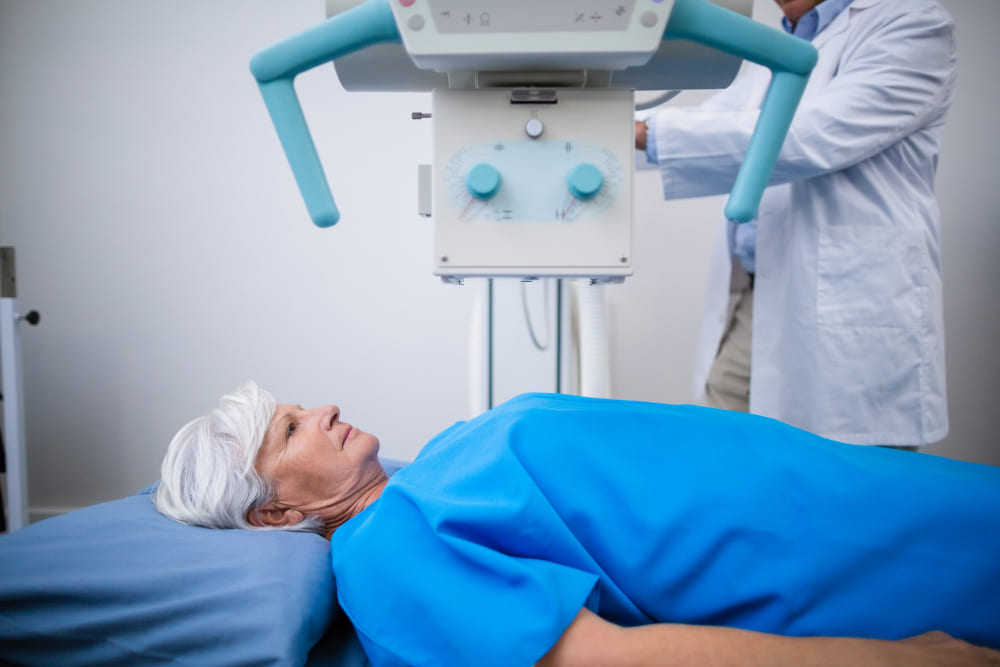
A machine outside your body aims radiation where your cancer is. The device can move around you to point the radiation at a precise part of your body from different directions. It won’t touch you.
You get external beam radiation therapy at a hospital or treatment center over many weeks. It doesn’t make you radioactive, so it’s safe for people to be around you.
For external radiation therapy, teens usually go to the hospital or treatment center 4 to 5 days a week for several weeks. They’ll get small daily doses of radiation, which helps protect the normal cells from damage. The weekend breaks help the cells recover from the radiation.
Internal radiation therapy:
Your doctor puts a solid or liquid radiation source inside your body.
Your doctor may suggest a type of internal radiation therapy called “brachytherapy.” In this procedure, the radiation source is in a capsule or other implant item. Doctors often use an applicator or a slim, stretchy catheter tube to put the implant in or near your cancer. The radiation source may stay inside your body for just a few minutes, several days, or longer.
You may also hear your doctor talk about another kind of internal radiation therapy called “systemic radiation.” You take liquid radiation through your mouth or a vein. The radiation moves through your body to find and destroy cancer cells.
Internal radiation therapy might make your body give off radiation. You may have to follow safety guidelines, depending on your dose.
Can I Be Around Other People If I Get Radiation?
Teens may wonder whether they can touch or hug others during and after therapy.
- Teens who get external radiation therapy have no restrictions on contact with family members.
- Teens who get internal radiation therapy may have some restrictions. Radiation in the implant can send high-energy rays outside the patient’s body. To protect others from exposure, the patient will be in a private room. Health care team members enter for short periods and work quickly to provide care. Visiting times might be brief, and young kids, pregnant women, and others might not be allowed into the room.
Types of Cancer It Treats
External beam radiation therapy can treat many cancers, including breast, colorectal, esophageal, head, neck, lung, and prostate cancer.
Brachytherapy is used for some of the same cancers that external beam radiation therapy can treat. Examples are head, neck, breast, and prostate cancers. Brachytherapy often also works for cervix and eye cancers.
A type of systemic radiation therapy called radioactive iodine (I-131) can treat some thyroid cancers.
Targeted radionuclide therapy, another type of systemic radiation therapy, can treat advanced prostate cancer or gastroenteropancreatic neuroendocrine tumors (GEP-NETs).
Uses With Other Cancer Treatments
You may only get radiation therapy to treat your cancer. Or your doctor may combine it with surgery, chemotherapy, or immunotherapy.
Sometimes your doctor can give you radiation therapy before surgery to make your tumor smaller. You could also have it after surgery to stop the cancer from coming back.
Sometimes, radiation therapy happens before chemotherapy. Other times, it’s combined with chemo.
Your doctor may give you cancer medication and radiation together to make them both work better, depending on your type of cancer. If you have advanced cancer, your doctor may suggest radiation therapy to ease pain or help with problems like trouble breathing or swallowing, or in situations where your child has a blockage in their bowels.
Does Radiation Therapy Cause Side Effects?
Radiation can damage healthy cells. This damage can cause side effects such as skin problems, tiredness, and anemia. The type of side effects someone might get depends on the dose of radiation, whether it was internal or external, and the area treated.
Many patients have no side effects. When problems do happen:
- Most will go away after radiation therapy ends.
- They usually aren’t serious.
- Treatment can help control them.
Radiation therapy can also cause long-term side effects if it affects the normal cells surrounding the tumor. They can include learning issues, vision problems, hearing loss, and other problems.
