
Health -
Dental
Adolescence—the stage of life when youth aged 12 to 17 years mature into young adults—often is overlooked in activities designed to study, evaluate, and improve oral health, with more attention aimed at younger children or adults. Yet, adolescence is an important time of life for adopting new responsibilities and behaviors affecting overall health and well-being.
Adolescents experience dramatic physical and neurologic changes, some of which may directly affect their oral health. Others may lead to behaviors that can affect their teeth and mouths. From playing sports to smoking, these new behaviors can have negative impacts that carry into adulthood.
Even if you have a child that is well-behaved, it is still a challenge! While your child’s dental health probably isn’t the first thing on your mind during these years, it’s still very important!

Here are a few tips on how to keep your child’s teeth healthy during these years:
As a teenager, self-esteem and factors that influence it are probably one of your main priorities, the main factor perhaps being a healthy and beautiful smile. The teenage years are also a time in a person’s life where you develop habits that often carry you through life, which means that it is crucial to develop habits that will not lead to harmful effects.
The following is a list of common dental issues that we encounter with teenage dentistry:
Oral Piercings
Today, it is quite common to see teenagers with pierced lips, cheeks or tongues, and most teens may see the appeal without knowing the dangers associated with this decision. A piercing may chip or fracture your teeth, which could lead to your needing a filling, a crown, or even a root canal. Because your mouth is naturally filled with bacteria, an oral piercing could also cause blood clots, nerve damage, heart infection, brain abscess, and many others. If the jewelry becomes lose, you could also choke.
Smoking
Smoking or chewing tobacco is one of the most serious health hazards, and it is important to become well-educated on the dangers in order to avoid starting this habit. The consequences of tobacco use range from minor issues – such as stained teeth and bad breath – to much more serious issues, including oral cancer and periodontal disease, i.e., gum disease. If you currently use tobacco products, make sure to inform your dentist of that as well as of any oral problems you might be experiencing, such as any unusual pain, swelling, etc. If you do not smoke or chew tobacco, we strongly recommend that you do not start!

Eating Disorders
Two common disorders are anorexia – not eating due to an irrational fear of gaining weight, which leads to vomiting; and bulimia – binge-eating followed by intentional vomiting. Aside from a variety of health issues and potentially life-threatening situations, eating disorders directly contribute to an acid erosion of the tooth’s enamel.

Dietary Habits
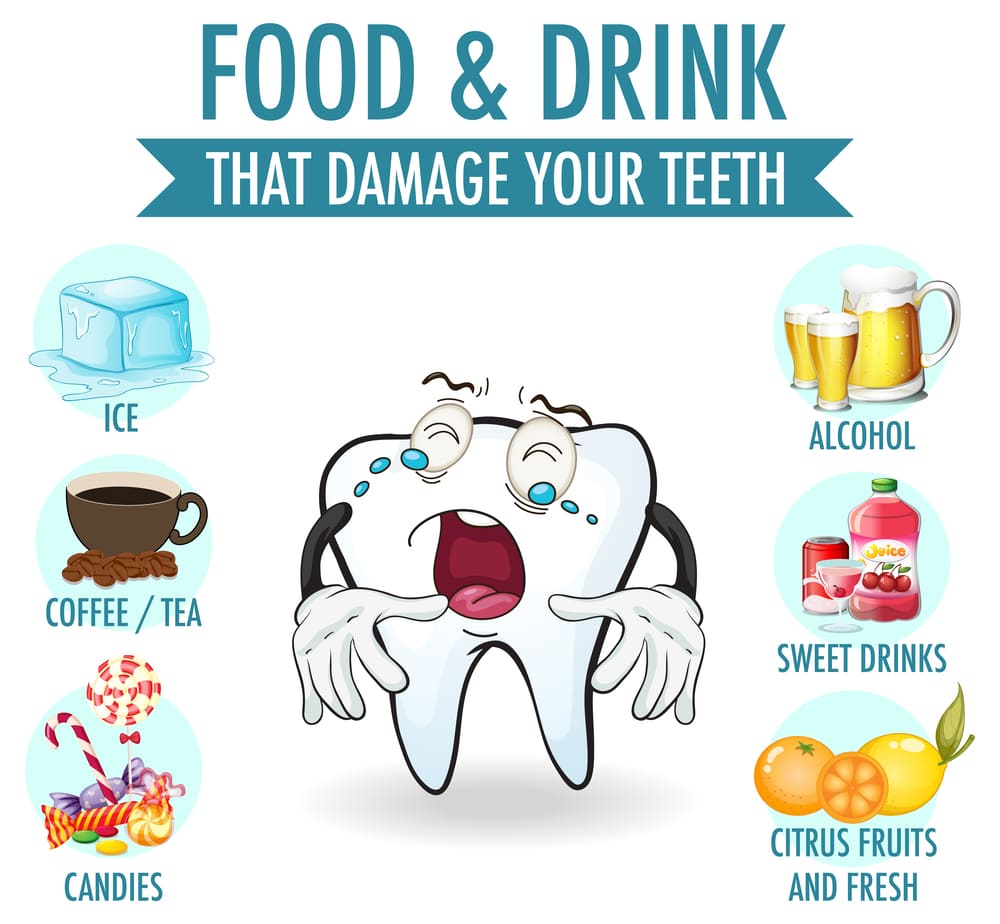
Carbonated beverages and snack foods, which teenagers tend to eat frequently, contain excessive amounts of sugar, starches, and acidic flavorings. These can increase the formation of plaque, leading to an erosion of the tooth’s enamel and ultimately tooth decay. To avoid these issues, it is recommended that you eat a balanced diet from the five major food groups and choose healthy snacks, such as raw fruits and vegetables, cheese or yogurt, nuts, etc. Drinking water instead of soda will also help avoid potential dental problems. If you have any questions on what you should be eating to promote better oral health, talking to your primary doctor/dentist would be a good option.
Academic Stress
Academic stress is another common issue that teenagers experience, which can lead to involuntary grinding of teeth while sleeping. Symptoms include difficulty in moving your jaw, a clicking sound when doing so, and/or overall tooth and jaw sensitivity. These symptoms might be early signs of temporomandibular joint disorder (TMJ) – a painful condition that constricts jaw movement – so it is recommended that you visit your doctor office immediately if you experience any of the above. They might provide you with a night guard that prevents you from grinding your teeth.
Mouth Guards
Because teenagers often participate in sports, it is important to remember that such activities may also cause damage to your oral health. Potential problems include cut lips, chipped or broken teeth, missing teeth, as well as root and bone damage. If you play sports and do not have a mouth guard, you should visit your doctor as soon as possible. They will create a custom mouth guard to fit over your upper teeth – sometimes over braces or other fixed dental devices – so that you are protected from the above hazards involved in playing sports.
Orthodontics
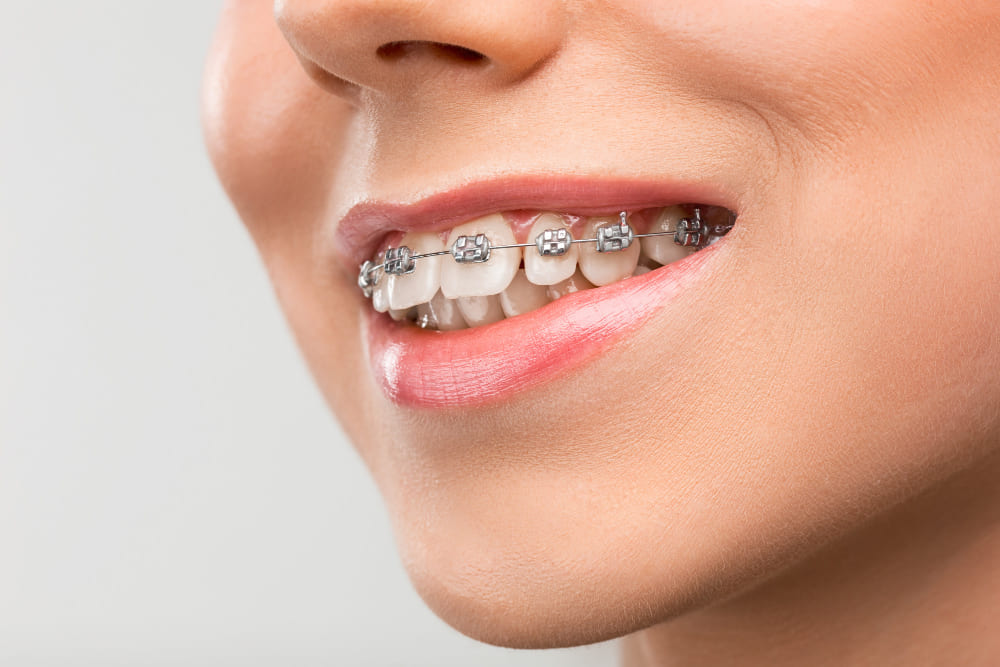
Many children and teenagers experience dental issues such as crooked or crowded teeth and/or poor jaw alignment. Aside from a lower self-esteem and social anxiety, these dental issues are a risk for the proper function of teeth as well as for overall dental health. Among today’s orthodontic options, doctors offer metal braces and Invisalign® – clear, plastic aligners that move the teeth to their ideal position. Teenage patients tend to choose Invisalign because it is removable, making it easier to maintain proper oral hygiene than with braces, among other benefits. However, to determine which treatment is right for you, contact your orthodontist.

Teeth Whitening
If you are a teenager and would like to have your teeth whitened, it is strongly recommended that you contact your dentist to help you choose a whitening option that is right for you. Today’s variety of whitening products can cause serious damage to your teeth if used incorrectly. You may not even need teeth whitening if you visit your dentist regularly for thorough cleanings, which takes care of surface stains among other things. Whitening toothpastes are another safe option for removing surface stains. If staining persists, you may need professional whitening, but it is important to speak with your dentist before making any decision.
Tooth Decay
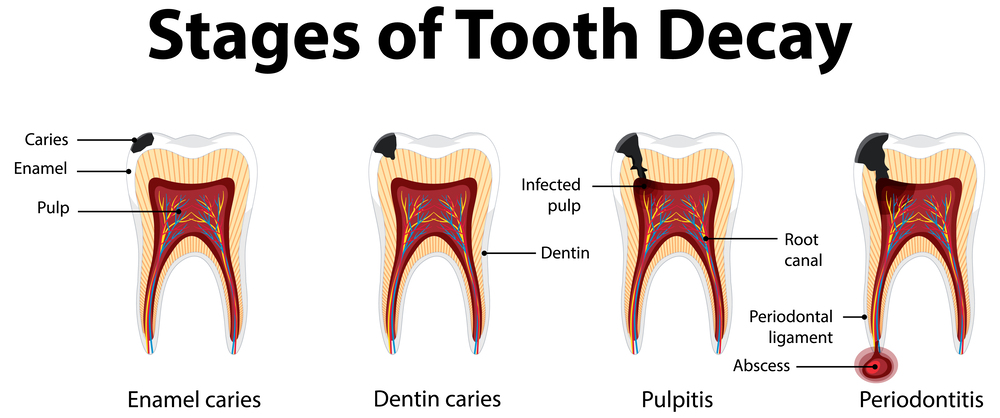
We know at this age it’s a challenge to get your child to care about their oral health and tooth decay, however it’s very important. If their teeth start to decay significantly during the teen years, it can set them up for a life of dental challenges.
While you can’t control everything you do, doctors encourage you to make healthy eating choices as a family, as this can significantly limit the amount of junk food teens consume (sugar is one of the primary causes of tooth decay).
Puberty Gingivitis
Gingivitis is a mild form of gum disease that begins with gums’ microbial infection. When it occurs, gums become inflamed and start bleeding frequently. Teenagers are more likely to develop gingivitis due to the surge in hormone production during puberty.
As the bodies of both males and females undergo major hormonal changes in this stage, there will be a spike in steroid hormones like estrogen and testosterone. In such circumstances, blood flow starts to elevate. When there is an excessive blood flow to the gums, the gum tissues inflame and bleed. This condition is called puberty gingivitis.
Luckily, it is a preventable type of gingivitis with regular dental cleanings. Otherwise, the gum disease will progress and reach its advanced stage called “Periodontitis.”
Misaligned bites
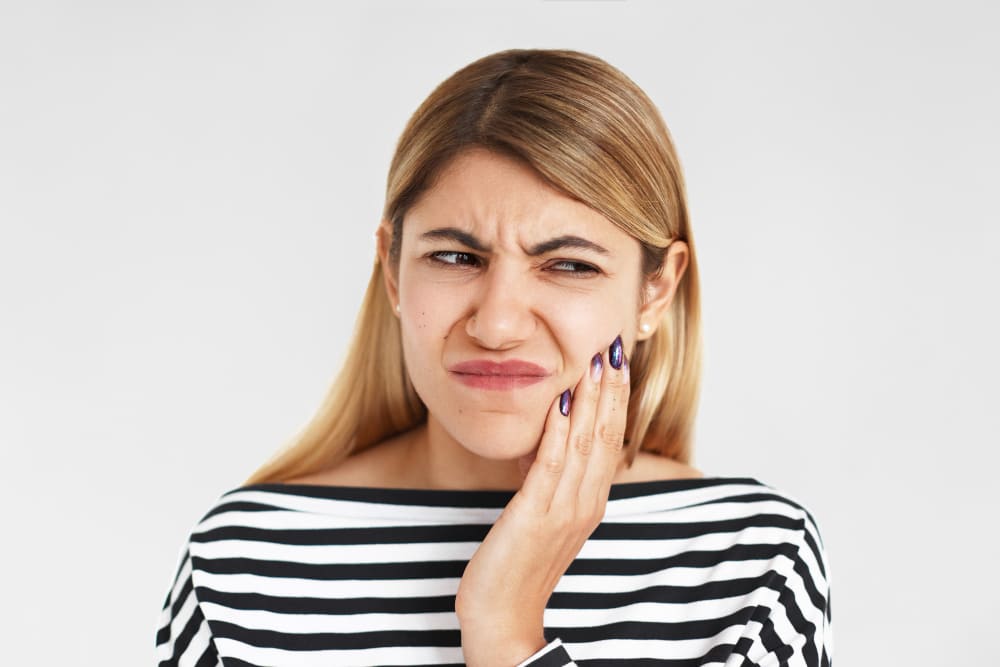
Growth spurts and physical developments are common in adolescent age. Similarly, the jaw bone also goes through certain changes as the facial muscles grow. Normal growth promotes changes in the mouth with proper teeth alignment.
On particular occasions, jaw bone development paves the way for structural issues and alters the alignment of teeth. It causes bite issues that mandate orthodontic treatments to fix.
Hence, parents should check if your teenage son or daughter encounters any difference in their bite and take them to a dentist. An oral evaluation with X-rays is required to detect the shift in teeth position.
Wisdom teeth eruption
Wisdom teeth, or third molar teeth, are the last set of molars that appear in the late teens or early 20s. The physical development of an individual will be completed to a great extent in this stage. Likely, jaw bone and skull growth are also mostly completed in our late adolescent stage.
Hence teeth erupt in this stage and do not have sufficient room inside the mouth, so they come through in the wrong position. Teeth that are not developed in the right position are more likely to develop infections as they cannot be cleaned easily. Consequently, bacteria can easily enter the tissues around the third molar teeth and grow.
It leads to pus formation, pain, irritations, and stiffness in the jaw. Meanwhile, wisdom teeth apply pressure to the neighboring teeth and increase the risk of teeth crowding.
The best solution to avert or eliminate the adverse effects associated with wisdom teeth is to extract them surgically.

Cavities
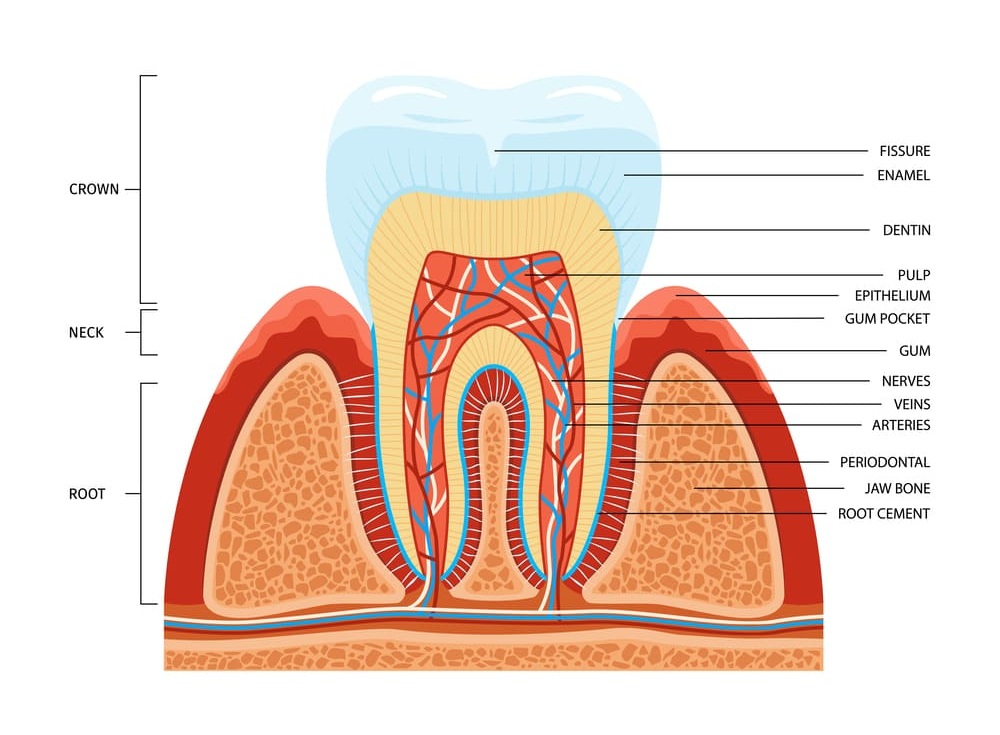
The increased level of hormone production plays a key role in microbiome modulation. When the microbial balance in the mouth is disrupted, harmful oral bacteria will grow. It is followed by bacterial invasion on teeth, gums, and other oral tissues.
Meanwhile, teenagers’ carefree attitude makes them follow a staple teenage diet that includes foods containing carbs and sugars. Everyone knows that excessive intake of sugar substances in diet will feed oral bacteria.
Simply, the imbalance in oral bacteria and taking low-carb, sugary foods increase the risk of developing cavities.
Keeping Your Breath in Check
No teenager wants bad breath and as a parent, if you lead with this angle, you might get your child to take very good care of their teeth!
In addition to routine oral hygiene, your teenager can chew sugar-free gum, as well as use mouthwash daily to help prevent bad breath. A tongue scraper can also be a great investment as well.
If you are finding that your child seems to have chronic bad breath, it could be due to something other than their hygiene (such as an issue with allergies or acid reflux). If this is the case, we recommend seeing your primary care provider.

Keeping Their Smile Beautiful
In addition to avoiding tobacco and sugary foods, another “life hack” that can keep your child’s teeth whiter and brighter is to avoid coffee and dark colas. While one every now and then won’t hurt them, over time drinking several dark colas or coffees per day could stain your child’s teeth and turn those bright whites to dingy yellow.
No one wants that! So, if your child likes to drink sodas (most teens do), they should limit their intake, and drink through a straw.
