
Health -
Addiction Medicine
What is addiction?
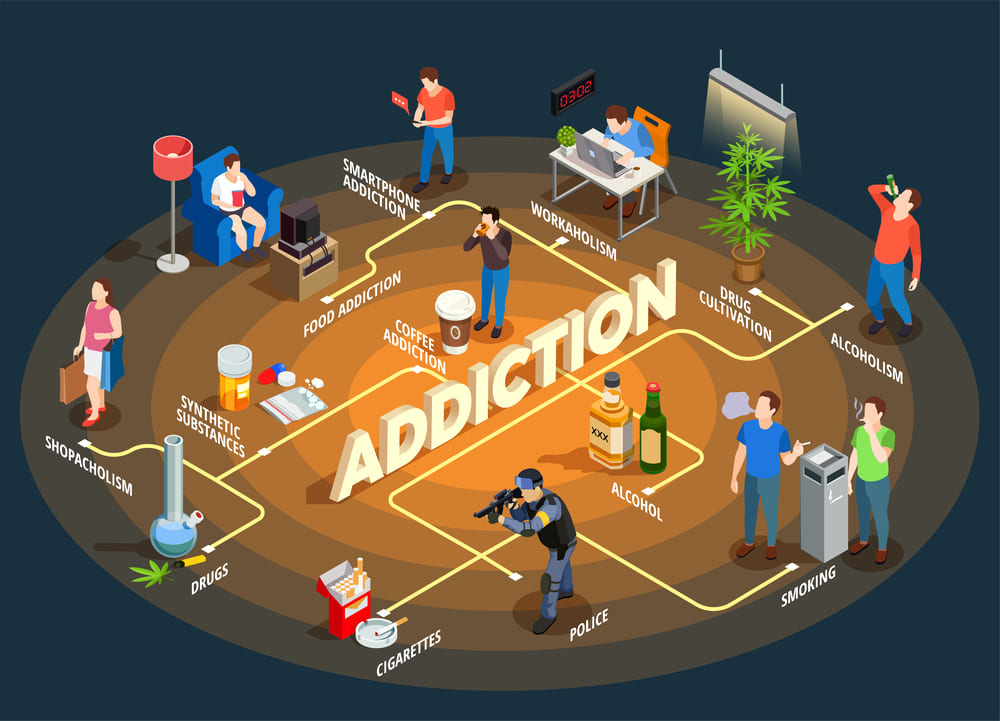
Addiction is a chronic condition that can affect many aspects of your life, including your physical and mental health, relationships and career. There are two main forms of addiction: substance use disorders and behavioral addictions. Addiction is treatable. It’s crucial to seek help as soon as possible.

Is addiction a disease?
Yes, addiction is a disease — it’s a chronic condition. The American Society of Addiction Medicine (ASAM) defines addiction as a chronic brain disorder. Addiction doesn’t happen from having a lack of willpower or as a result of making bad decisions. Your brain chemistry changes with addiction.
What are the types of addiction?
There are two main groups of addiction:
- Substance addictions
- Non-substance addictions (behavioral addictions).
Substance addictions
Substances are drugs that have addiction potential. They can be prescription medications or non-medical drugs and include:
- Alcohol.
- Caffeine.
- Cannabis (marijuana).
- Hallucinogens, such as PCP and LSD.
- Hypnotics, sedatives and anxiolytics (anti-anxiety drugs), such as sleeping pills, benzodiazepines and barbiturates.
- Inhalants, such as paint thinners, aerosol sprays, gases and nitrites (poppers).
- Prescription and non-prescription opioids, such as codeine, oxycodone and heroin.
- Prescription and non-prescription stimulants, such as Adderall®, cocaine and methamphetamine.
- Tobacco/nicotine, such as smoking cigarettes and electronic cigarettes (e-cigarettes or vaping).
While these substances are very different from each other, they all strongly activate the reward center of your brain and produce feelings of pleasure. Use of these substances can lead to substance use disorders (SUDs) — but not always. SUDs can be mild, moderate or severe. Addiction is the most severe form of a substance abuse disorder.

Non-substance addictions
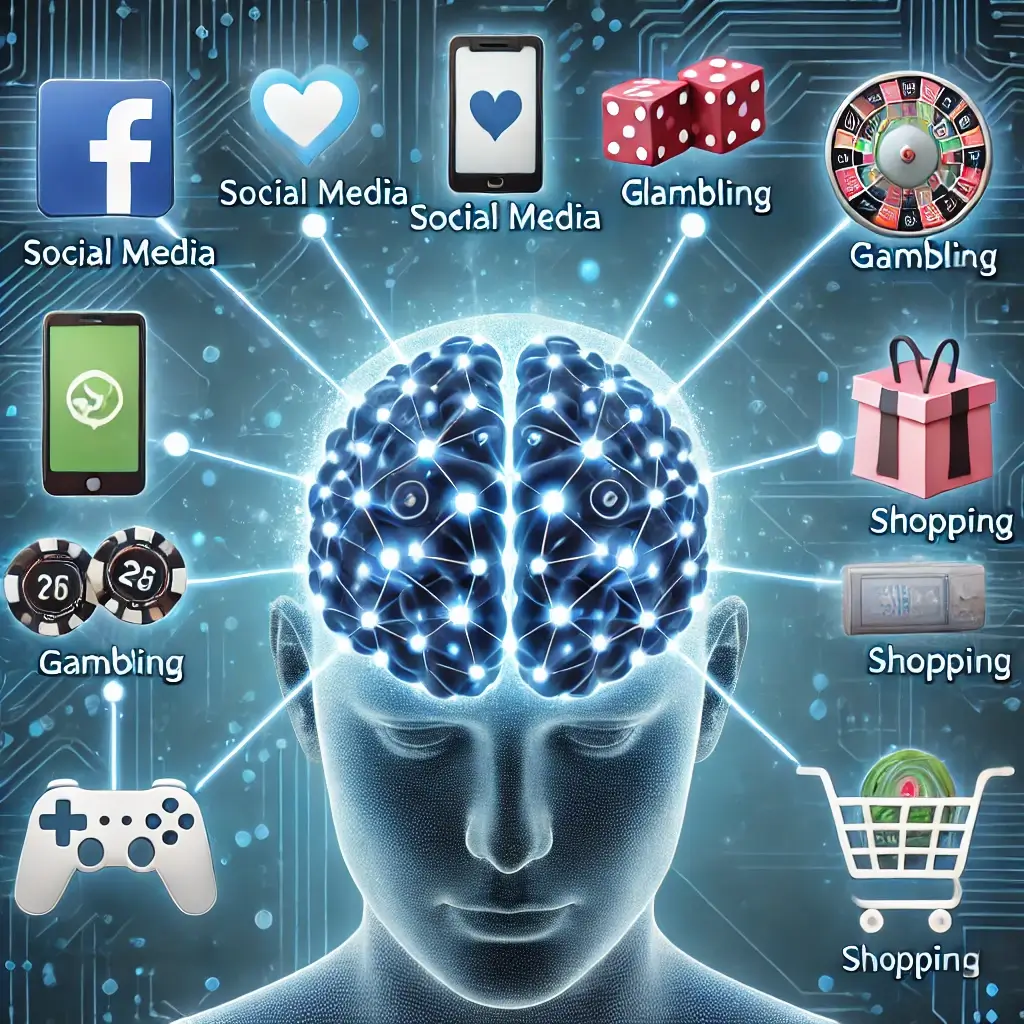
Behavioral addictions can occur with any activity that’s capable of stimulating your brain’s reward system.
However, any activity or habit that becomes all-consuming and negatively impacts your daily functioning can cause significant mental, social and physical health issues, as well as financial issues in some cases.
Examples of potentially addictive activities include:
- Gambling.
- Eating.
- Exercising or dieting.
- Shopping.
- Shoplifting or other risky behaviors.
- Having sex.
- Viewing pornography.
- Video gaming (internet gaming disorder).
- Using the internet (such as on your phone or a computer)
What is the most common addiction?
Alcohol use disorder is the most common substance addiction in the United States, followed by nicotine and marijuana. About 10% of people aged 12 or older in the U.S. have alcohol use disorder.
What are the signs of addiction?
Symptoms of addiction vary from person to person and based on the substance or activity. In general, signs include:
- Inability to stop
- Increased tolerance
- Intense focus on the substance or activity
- Lack of control
- Personal problems and health issues:
- Withdrawal
What causes addiction?
There’s not a single cause of addiction — it’s a very complex condition. A significant part of how addiction develops is through changes in your brain chemistry.
Substances and certain activities affect your brain, especially the reward center of your brain.
Humans are biologically motivated to seek rewards. Often, these rewards come from healthy behaviors. When you spend time with a loved one or eat a delicious meal, your body releases a chemical called dopamine, which makes you feel pleasure. It becomes a cycle: You seek out these experiences because they reward you with good feelings.
Substances send massive surges of dopamine through your brain, too, as well as certain activities, like having sex or spending money. But instead of motivating you to do the things you need to do to survive (eat, work and spend time with loved ones), such massive dopamine levels can have damaging effects on your thoughts, feelings and behavior.
This can create an unhealthy drive to seek more pleasure from the substance or activity and less from healthier activities.
Over time, the substances or activities change your brain chemistry, and you become desensitized to their effects. You then need more to produce the same effect.
For some substances, such as opioids, the withdrawal symptoms are so severe that they create significant motivation to continue using them.
Other factors that contribute to the development of addictions include:
- Genetics
- Mental health conditions
- Environmental factors
How are addictions treated?
Your healthcare provider may recommend a combination of treatment options, including:
- Hospital management
- Medications
- Rehabilitation
- Therapy
- Support groups

Can I prevent developing an addiction?
There are steps you can take to reduce your risk of developing an addiction, including:
- Avoiding or limiting substances that have addiction potential
- Knowing your family history
- Healthily managing stress
