
Health -
Neurology
What is Neurology?
Neurology is a branch of medical science that is concerned with disorders and diseases of the nervous system. The term neurology comes from a combination of two words – “neuron” meaning nerve and “logia” meaning “the study of”.
There are around a hundred billion neurons in the brain, capable of generating their own impulses and of receiving and transmitting impulses from neighboring cells. Neurology involves the study of:
- The central nervous system, the peripheral nervous system and the autonomic nervous system.
- Structural and functional disorders of the nervous system ranging from birth defects through to degenerative diseases such as Parkinson’s disease and Alzheimer’s disease.
Neurology also involves understanding and interpreting imaging and electrical studies. Examples of the imaging studies used include computed tomography (CT) scans and magnetic resonance imaging (MRI) scans. An electroencephalogram (EEG) can be used to assess the electrical activity of the brain in the diagnosis of conditions such as epilepsy. Neurologists also diagnose infections of the nervous system by analyzing the cerebrospinal fluid (CSF), a clear fluid that surrounds the brain and spinal cord.

What are some disorders of the nervous system?
The nervous system can be affected by various disorders. It can be damaged by:

- Vascular disorders, such as stroke, transient ischemic attack (TIA), subarachnoid hemorrhage, subdural hemorrhage and hematoma, and extradural hemorrhage
- Infections, such as meningitis, encephalitis, myelitis, and epidural abscess
- Structural disorders, such as brain or spinal cord injury, cervical spondylosis, carpal tunnel syndrome, brain or spinal cord tumors
- Seizure disorders, such as epilepsy.
- Degeneration, such as Parkinson disease, amyotrophic lateral sclerosis (ALS), Huntington chorea, and Alzheimer disease
- Autoimmune or inflammatory disorders , such as Bell palsy, multiple sclerosis, peripheral neuropathy, and Guillain-Barré syndrome
- Mental health disorders, such as mood disorders, depression, and schizophrenia.
Symptoms of nervous system disorders
These are the most common symptoms of a nervous system disorder. But each person may have slightly different symptoms. Symptoms may include:

- Persistent or sudden onset of a headache
- A headache that changes or is different
- Loss of feeling or tingling
- Weakness or loss of muscle strength
- Loss of sight or double vision
- Memory loss
- Impaired mental ability
- Lack of coordination
- Muscle rigidity
- Tremors and seizures
- Back pain that spreads to the feet, toes, or other parts of the body
- Muscle wasting and slurred speech
- New language impairment (expression or comprehension)
The symptoms of a nervous system disorder may look like other medical conditions or problems. Always see your healthcare provider for a diagnosis
Warning signs of neurological disorders
While it’s hard to know when to seek specialized medical care for your child, Experts recommend a quick evaluation by your child’s doctor if your child is showing a decline in developmental milestones. For example, it’s a red flag if your child has lost a skill that they had previously mastered like walking, talking, or feeding themselves.
Early diagnosis and intervention is key. If your child’s normal behavior has changed dramatically
Neurological disorders presenting mainly in adolescence
Neurological disorders
Epilepsy
Epilepsy is the most common neurological disorder of adolescence. Epilepsy may have an onset at this time or pre‐existing epilepsy may continue to remit or deteriorate. Accurate history taking is crucial to the diagnosis. As teenagers usually attend clinic with parents who have not witnessed the paroxysmal events, it may be necessary to talk to their friends and schoolteachers to obtain useful, and even diagnostic, information. Investigations are used to classify epilepsy syndromes in order to guide treatment and inform on prognosis and to identify any underlying cause.
There are some important epilepsy syndromes commonly present in adolescence.
- juvenile myoclonic epilepsy
- Juvenile absence epilepsy
- Isolated partial seizures of adolescence
- Symptomatic focal epilepsies
Neuromuscular disorders
- Becker muscular dystrophy
- Facio‐scapulo‐humeral dystrophy
- Myotonic dystrophy
- Juvenile (autoimmune) myasthenia
- Hereditary motor and sensory neuropathy type Ia
- Metabolic myopathies
Inflammatory disorders
- Multiple sclerosis
- Acute disseminated encephalomyelitis
- Transverse myelitis
Neurodegenerative disorders
- Diabetes insipidus, diabetes mellitus, optic atrophy and deafness (DIDMOAD)
- GM1 gangliosidosis
- Juvenile Huntington's disease
- Metachromatic leucodystrophy
- Mitochondrial cytopathies
- Juvenile neuronal ceroid lipofuscinosis
- Adrenoleucodystrophy
- Variant Creutzfeldt–Jakob disease
- Wilson's disease
Some of the best brain foods are the same ones that protect your heart and blood vessels, including the following:
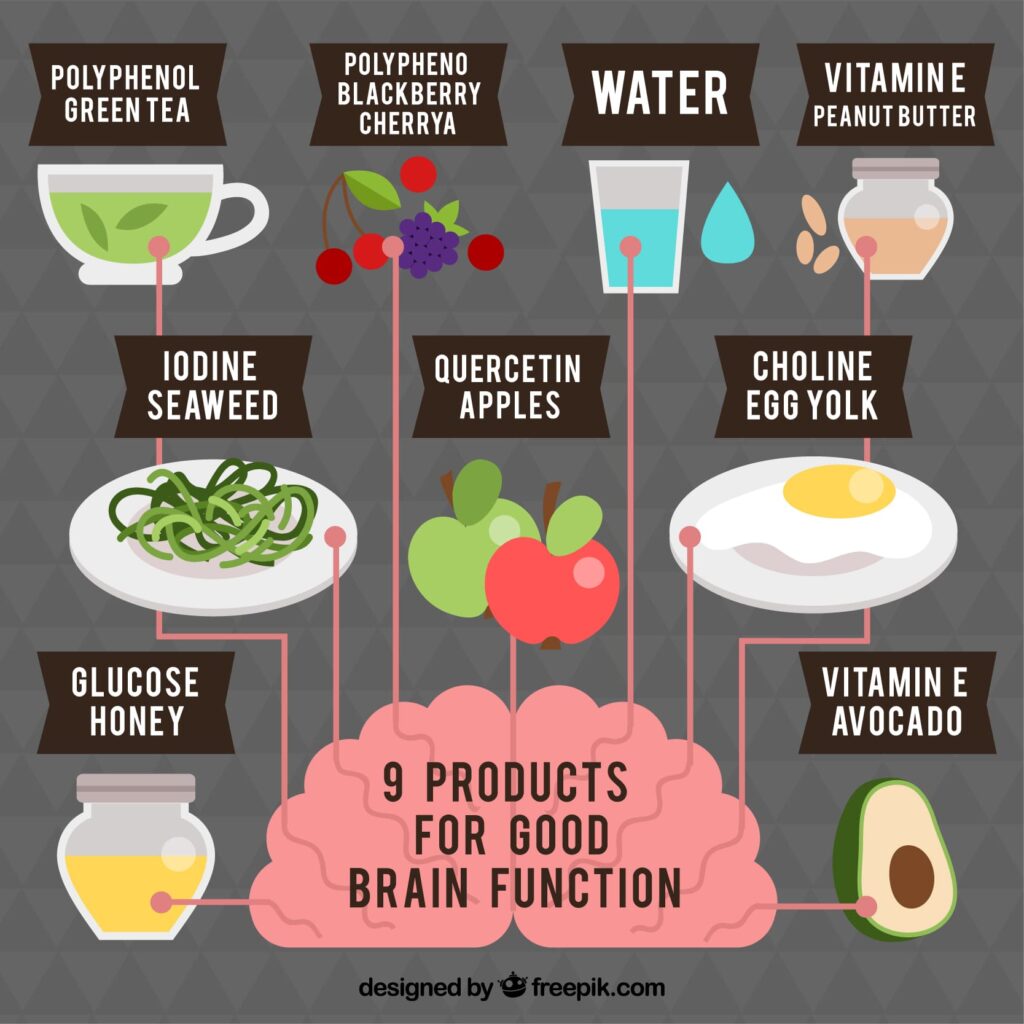
- Green, leafy vegetables. Leafy greens such as kale, spinach, collards, and broccoli are rich in brain-healthy nutrients like vitamin K, lutein, folate, and beta carotene. Research suggests these plant-based foods may help slow cognitive decline.
- Fatty fish. Fatty fish are abundant sources of omega-3 fatty acids, healthy unsaturated fats that have been linked to lower blood levels of beta-amyloid—the protein that forms damaging clumps in the brains of people with Alzheimer’s disease. Try to eat fish at least twice a week, but choose varieties that are low in mercury, such as salmon, cod, canned light tuna, and pollack. If you’re not a fan of fish, ask your doctor about taking an omega-3 supplement, or choose terrestrial omega-3 sources such as flaxseeds, avocados, and walnuts.
- Berries. Flavonoids, the natural plant pigments that give berries their brilliant hues, also help improve memory, research shows. A study done by researchers at Harvard’s Brigham and Women’s Hospital found that women who consumed two or more servings of strawberries and blueberries each week delayed memory decline by up to two-and-a-half years.
- Walnuts Nuts are excellent sources of protein and healthy fats, and one type of nut in particular might also improve memory. A study from UCLA linked higher walnut consumption to improved cognitive test scores. Walnuts are high in a type of omega-3 fatty acid called alpha-linolenic acid (ALA). Diets rich in ALA and other omega-3 fatty acids have been linked to lower blood pressure and cleaner arteries. That’s good for both the heart and brain.
- Tea and coffee: The caffeine in your morning cup of coffee or tea might offer more than just a short-term concentration boost. In a study published in The Journal of Nutrition, participants with higher caffeine consumption scored better on tests of mental function.
Here are six things to keep your brain healthy and active
- Exercise regularly
Exercise has many known benefits, and regular physical activity also benefits the brain. Multiple research studies show that physical active people are less likely to experience a decline in their mental function and have a lower risk of developing Alzheimer’s disease.
These benefits result from increased blood flow to your brain during exercise. It also tends to counter some of the natural reduction in brain connections that occur during aging, reversing some of the problems.
- Get plenty of sleep.
Sleep plays an important role in your brain health. Some theories state that sleep helps clear abnormal proteins in your brain and consolidates memories, which boosts your overall memory and brain health.
Aim for seven to eight consecutive hours of sleep per night, not fragmented sleep of two- or three-hour increments. Consecutive sleep gives your brain the time to consolidate and store your memories effectively. Sleep apnea harms your brain’s health and could be why you may struggle to get consecutive hours of sleep. Talk with your health care team if you or a loved one suspects you have sleep apnea.
- Eat a Mediterranean diet.
Your diet plays a large role in your brain health. Consider following a Mediterranean diet, which emphasizes plant-based foods, whole grains, fish and healthy fats, such as olive oil. It incorporates less red meat and salt than a typical American diet.
Studies show people who closely follow a Mediterranean diet are less likely to have Alzheimer’s disease than people who don’t follow the diet. Further research is needed to determine which parts of the diet help brain function the most. However, we know that omega fatty acids found in extra-virgin olive oil and other healthy fats are vital for your cells to function correctly, appear to decrease your risk of coronary artery disease, increase mental focus and slow cognitive decline in older adults. - Stay mentally active.
Your brain is similar to a muscle — you need to use it or lose it. There are many things that you can do to keep your brain in shape, such as doing crossword puzzles or Sudoku, reading, playing cards or putting together a jigsaw puzzle. Consider it cross-training your brain. Incorporate different types of activities to increase the effectiveness.
Your brain can get just as good of a workout through reading or challenging yourself with puzzles. Finally, don’t watch too much TV, as that is a passive activity and does little to stimulate your brain. - Remain socially involved.
Social interaction helps ward off depression and stress, which can contribute to memory loss. Look for opportunities to connect with loved ones, friends and others, especially if you live alone. Research links solitary confinement to brain atrophy, so remaining socially active may have the opposite effect and strengthen the health of your brain. - Keep your blood vessels healthy.
The health of your arteries and veins is important to your heart health but it is also critical for brain health. Get your blood pressure, blood sugar and cholesterol checked regularly and take steps to keep your numbers within a normal range.
Increase your physical activity, eat a Mediterranean diet and decrease your sodium consumption to lower blood pressure and cholesterol values. Finally, tobacco and alcohol use are impactful on brain health as well
