
Lifestyle -
Excercise
In our bustling world, where screens and sedentary lifestyles have become the norm, physical exercise often takes a backseat, especially among teenagers.
HIGHLIGHTS
It’s not uncommon for teenagers to prioritize digital pursuits over physical activity. With smartphones, social media, and online gaming competing for their attention, exercise often gets relegated to the background.

How Much Exercise Do Teens Need?
The American Heart Association recommends that teenagers engage in at least 60 minutes of moderate-to-vigorous physical activity every day. This should ideally include a mix of aerobic exercises, like running or swimming, and strength-training exercises, like weightlifting or yoga, several times a week.
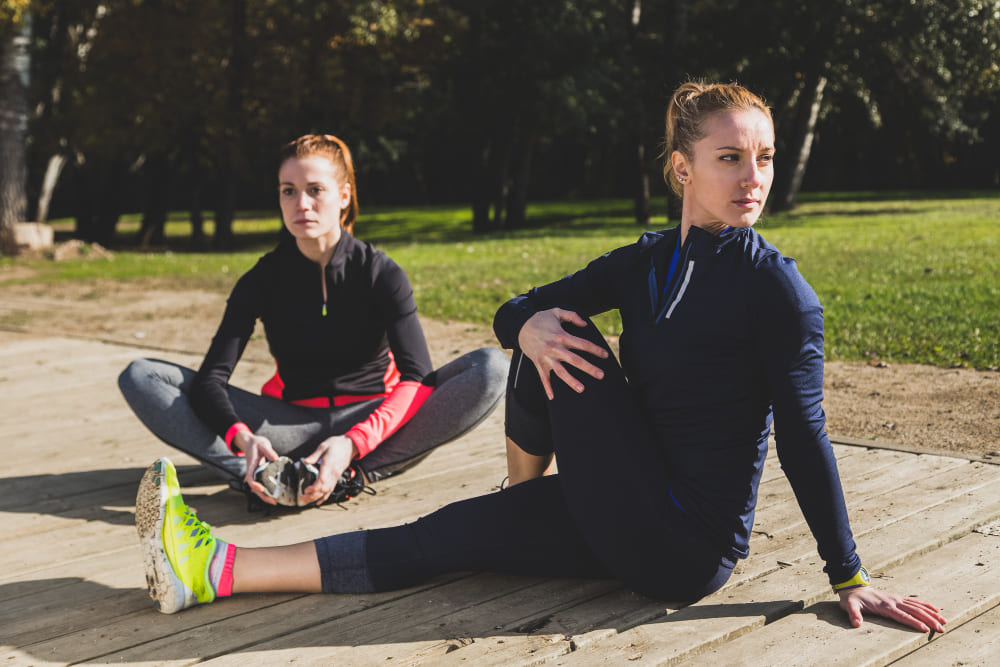
But what does moderate-to-vigorous activity look like? Essentially, this means activities that get your teen’s heart pumping faster and cause them to break a sweat. It doesn’t have to be a formal workout. Anything from a fast-paced walk with the dog to a high-energy dance session can count towards this daily goal. The aim is to create a balanced exercise regimen that keeps them engaged and motivated
What Exercise is Necessary for Teens?
Teenagers should engage in a variety of physical activities that are appropriate for their age, enjoyable, and offer variety. This could range from organized sports, like soccer or basketball, to everyday activities, like brisk walking or cycling. The key is to keep it fun and exciting so that exercise becomes a natural and enjoyable part of their daily routine.
While structured activities like team sports can offer a great physical workout, they’re not the only option. Unstructured activities, like going for a hike, jumping on a trampoline, or dancing to their favorite music, can also provide substantial benefits. The idea is to find activities that your teen enjoys and feels comfortable doing, which can increase their likelihood of sticking with it. And remember, variety is not just the spice of life—it’s also the spice of a good fitness routine.
Aerobic
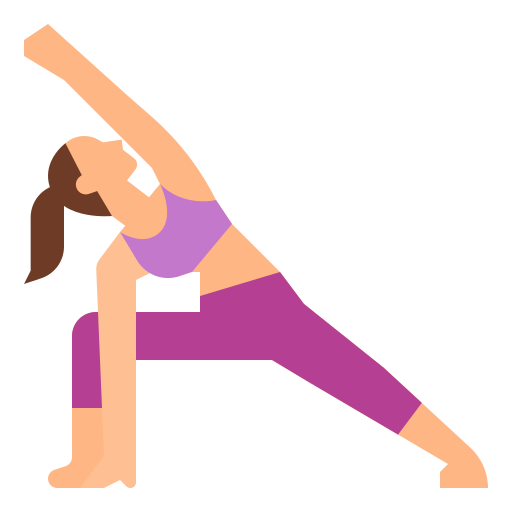
Examples include running, biking, swimming, dancing, aerobics class, using an elliptical trainer and walking.

Muscle-strengthening
Examples include lifting weights; using resistance bands; climbing stairs; dancing; biking; and doing pushups, squats and situps.
Bone-strengthening
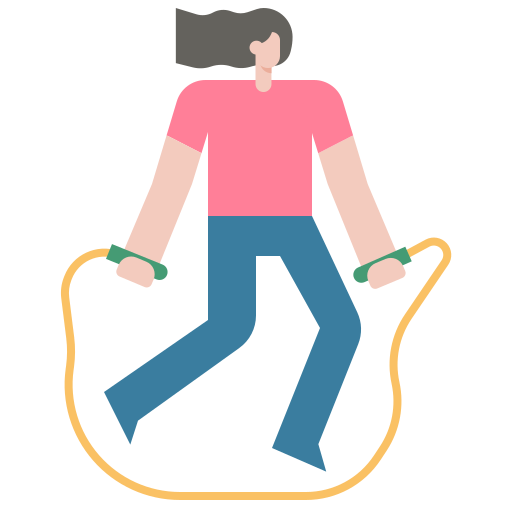
Examples include jumping rope and running, as well as sports that involve jumping or rapid changes in direction.
How Teenagers Benefit from Exercising
There are many benefits of regular exercise that aren’t limited just to teens. It improves the physical and mental health of people of all ages and abilities. For teens, exercise builds endurance, bone and muscle strength, and aerobic fitness. It helps maintain a healthy weight and improves sleep. These factors are critical as teens grow and develop during their formative years.
Benifits
- Mental Health
- Academic Performance
- Stress Reduction
- Sleep Quality
- Disease Prevention
- Self-Confidence
- Social Skills
- Energy and Endurance
- Healthy Habits
Exercise helps teens’ mental health, as well. It releases stress-busting endorphins and lowers the body’s production of stress hormones. It improves thinking and memory skills, which help in school and social situations. Exercise also reduces the risk of depression, and helps teens feel more energetic and have a positive outlook on life.
One of the biggest benefits of regular exercise for teens is that it establishes a healthy habit that sets the foundation for a lifetime of fitness. Research shows that active children and teens become healthy, active adults.
In Conclusion
Helping your teenager cultivate an active lifestyle can be one of the most impactful things you do for their current and future well-being
Regular physical activity is an essential part of teens’ overall well-being. Helping your teenager embrace an active lifestyle could be one of the best things you do for them, not just now, but for their future as well. Encouraging conversations around fitness and its multitude of benefits can help them understand and appreciate the importance of exercise.
