
Lifestyle -
Nutrition and Diet
Good nutrition and a 'healthy food environment' are vital for development and the creation of healthy habits to set young people up for a healthy life.
HIGHLIGHTS
“Nutrition is important for everyone because what we eat has an impact on our health and well-being, but it’s particularly important for adolescents because they’re going through this rapid period of growth and development. What they eat as teenagers will actually impact their current physical and mental health and also that in the future,”
“It’s important that young people consume a diet and dietary pattern that sets them up to have a lower risk of developing some of the diseases that are very common in adulthood.”
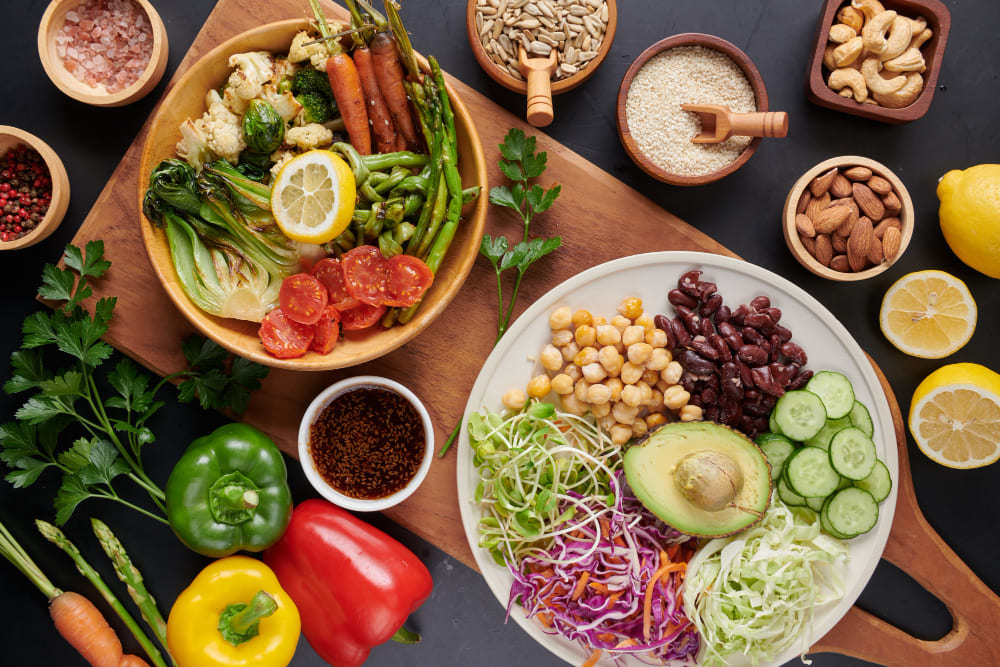
Healthy diet and eating habits during childhood and adolescence can help to reduce the risk of issues such as type 2 diabetes, high blood pressure and heart disease, as well as decreasing the likelihood of becoming overweight or obese.
A healthy diet is also important to ensure young people are able to get all the nutrients they need for development. For example, during adolescence about one third of your bone is still being laid down, so a calcium-rich diet can help protect future bone health.
What makes a healthy diet?

vegetables and legumes

fruits

grains

meat and alternatives

dairy and alternatives
Why do we eat unhealthy foods?
“The reason people like them [unhealthy foods] so much is they’re actually manufactured to be appealing and tasty. We tend to over consume them because they tend to be high in fat and sugar and lacking in fibre and protein.”
Why it can be tough for teens to get the nutrition they need
We know that good nutrition can help kids learn — it’s a key part of their academic success. And it’s especially important for teens since the brain is constantly changing during adolescence. That’s a time when the brain’s memory, attention and problem-solving regions develop a lot.
But teens face challenges when it comes to healthy eating:
- They might skip meals, especially breakfast, due to their busy schedules or dieting habits.
- They often eat a lot of fast food or processed foods and sugary drinks and snacks.
- They might not drink enough water, especially if they have a lot of sugar-sweetened drinks.
These eating habits can crowd healthier choices off of teens’ plates. Eating foods low in nutrients can lead to energy crashes, poor concentration and mood swings that can make learning and studying difficult.
How can parents help to develop healthy food habits?
Parents can help to gradually build healthy eating habits by creating a healthy food environment for their children.
Reduce the amount of cake, biscuits, soft drink and chips that are available at home. Instead cook a wide variety of vegetables and salads at main mealtimes. Buy whole grain bread, fill up fruit bowls for snacking and load the fridge with milk, yogurt and cheese.
A nutritious, calcium and fibre-rich breakfast every morning is key. It is also a great idea to encourage teens to cook with you. “If they’re involved in preparing the vegetables or making the salad, or even making the main meal, they’re more likely to eat it,”

The top nutrients teens need
These four nutrients are essential for teens’ growing brains:
- Omega-3 fatty acids are important for memory and learning.
- Find them in: Fatty fish like salmon, mackerel and trout.
- Antioxidants like vitamins C and E, as well as phytochemicals found in fruits and vegetables, protect brain cells from damage.
- Find them in: Colorful fruits and vegetables, such as blueberries, strawberries, spinach and kale.
- Protein provides amino acids, the building blocks for chemicals that send and receive signals in the brain that affect mood, focus and brain performance.
- Find it in: Skinless poultry, tofu, legumes and lean cuts of beef or pork.
- Complex carbohydrates give the brain energy and support concentration.
- Find them in: Whole grains like brown rice, quinoa, whole wheat pasta and oats.
These tips can Help
- Encourage regular, balanced meals with a variety of foods: Prepare home-cooked meals when you can. That way, you control the ingredients.
- Lead by example: When you model healthy food choices, your kids are more likely to follow along.
- Teach them how foods low in nutrients (like fast food and processed food) can impact their health and schoolwork: Be sure they understand the consequences of unhealthy eating habits — they might feel tired, have trouble concentrating and get sick more often.
- Explain portion control: Overeating can lead to energy crashes and reduced focus. It can help to pre-portion snacks, use smaller plates, eat mindfully and have a schedule for snacks.
- Have open, honest conversations with your teen: Encourage them to ask questions and address their concerns. Share your thoughts with your teen if you’re worried about their eating patterns or lack of nutrients. If you have serious concerns or think your teen might have an eating disorder, talk to a health care provider.
- Talk to an expert: “Dietitians and nutritionists can be very helpful in selecting a healthy diet for your family.” Speak with a health care provider and ask for a referral to a dietitian or nutritionist if concerns or questions remain.
Don’t overlook the importance of water
- Staying hydrated is important for brain function, focus, concentration and regulating mood. When you’re properly hydrated, you have steady blood flow to the brain. This blood flow nourishes the brain with the oxygen and nutrients it needs.
- When you drink plenty of water, it also helps you balance your electrolytes. Electrolytes such as sodium and potassium help your nerves function, which in turn helps you concentrate. Drinking water also helps prevent overheating, which can make it tough to focus. And it helps remove toxins that could make it harder for your brain to work properly.
- Encourage your teens to drink water by explaining how sugary drinks can sap their energy and make it hard for them to concentrate. Explain to them that it’s possible to mistake hunger for thirst. Provide water with all meals and snacks, and be sure teens have plenty of water during exercise.

If your teen has a tough time drinking enough water, you can also:

Give them a reusable water bottle so they always have access to water.
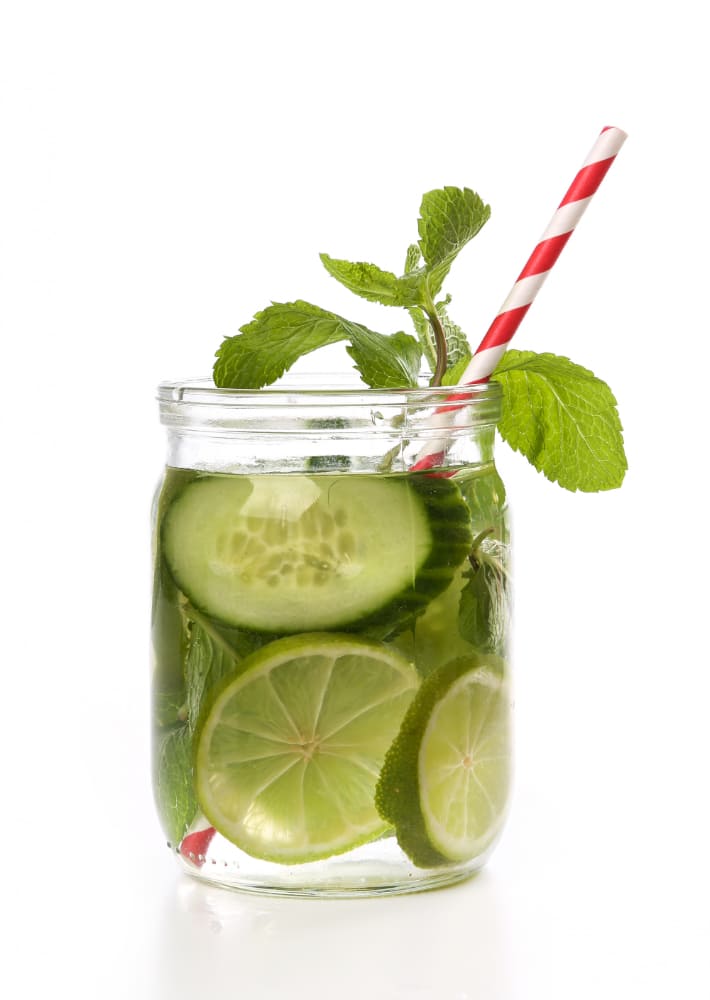
Suggest adding lemon or cucumber to water if they don’t like the flavor of plain water.
Understanding the Nutrition Label
Nutrition labels can help you to be more informed and buy foods that are healthy for your diet. However, often they are just something that is brushed off and not acknowledged or understood. It is important to know how to interpret this label to better educate yourself about your daily nutrition and needs.

Serving Information
Serving size is the amount people typically eat or drink, but is not a recommendation of how much you should eat.
Calories
The calorie count on the nutrition label is a measure of how much energy you get from that food. Remember this calorie count is per one serving! Be mindful of how many calories you are consuming in a day, as overconsuming calories can lead to weight gain. The general amount of calories per day one is recommended to consume is about 2,000, but this again is variable and depends on many factors like age, gender, activity level, height, and weight.
Nutrients
Nutrients to eat less of: saturated fat, sodium, and added sugars.– These nutrients are associated with various health conditions like cardiovascular disease and high blood pressure. A higher amount of them also increases your caloric intake without providing much health benefit to your body.
Nutrients to eat more of: dietary fiber, vitamin D, calcium, iron, potassium– These nutrients we often don’t get enough of, and have many important health benefits like reducing cholesterol, lowering blood sugar and pressure, and reducing risk of anemia and osteoporosis.
Percent Daily Value (%DV)
The % daily value is the percentage of your recommended daily intake of each nutrient that is in one serving of the food. For example, if a percentage under the % daily value column for saturated fat says 12%, that means in one serving of that food, you are consuming 12% of the total amount of saturated fat you should be eating that day. So, the %DVs for one specific nutrient should add up to 100% for all the foods you eat in a day.
The %DV value helps you determine whether that food you’re eating is high or low in specific nutrients. 5% DV or less is considered low, and 20% DV or more is considered to be high in that nutrient. Again, opt for lower %DV for added sugars, saturated fat, and sodium, and higher %DV for dietary fiber, vitamin D, calcium, iron, and potassium.
