Lifestyle -
Alchohol
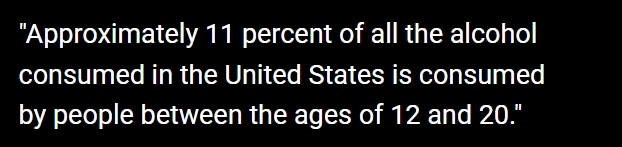
Alcohol is by far the most commonly abused substance among teens and young adults.
HIGHLIGHTS
61.5% of teens have abused alcohol by 12th grade.
25.6% of 8th graders have abused alcohol at least once.
16.8% of 12th graders have 5+ drinks in a row when consuming alcohol.
407,000 teenagers aged 12- to 17-years-old met the criteria for Alcohol Use Disorder (AUD) in the last year.
Beyond the emergency room visits and drunk driving deaths, teen drinking is associated with myriad other risky behaviors and negative consequences. Drinking often leads to poor decision-making and increases the risk of unsafe sexual behavior, aggressive or violent behavior, association with the use of drugs and other illegal substances, alcohol poisoning, difficulty in school, trouble with law enforcement, and the increased likelihood of developing alcohol use disorder later in life. Alcohol also interferes with adolescent brain development and can potentially affect brain structure and function. Studies show that a teenage brain exposed to alcohol is at risk of being smaller in certain parts. Excessive alcohol use can also lead to an increased risk of liver disease and cancer

Venom symptoms are consistent with anaphylaxis. They may include:
- Difficulty breathing
- Hives
- Swelling in your face, mouth or throat
- Wheezing
- Difficulty swallowing
- Rapid pulse
- Dizziness
- Drop in blood pressure
Venom symptoms are consistent with anaphylaxis. They may include:
- Difficulty breathing
- Hives
- Swelling in your face, mouth or throat
- Wheezing
- Difficulty swallowing
- Rapid pulse
- Dizziness
- Drop in blood pressure

Information from Responsibility.org
Teens who participate in underage drinking and heavy drinking are more likely to experience school issues such as lower-grade markings and higher instances of absenteeism than other school students. They also experience more social problems, legal problems and arrests, physical illnesses and hangovers, and the disruption of normal growth
Just how dangerous is underage drinking?
With so many other issues affecting young people right now, teen alcohol use may not seem like that big a deal. You might recall your own early experiences and figure that some drinking can be expected. But when we look at alcohol’s effect on a child’s developing brain, the risks become clearer.
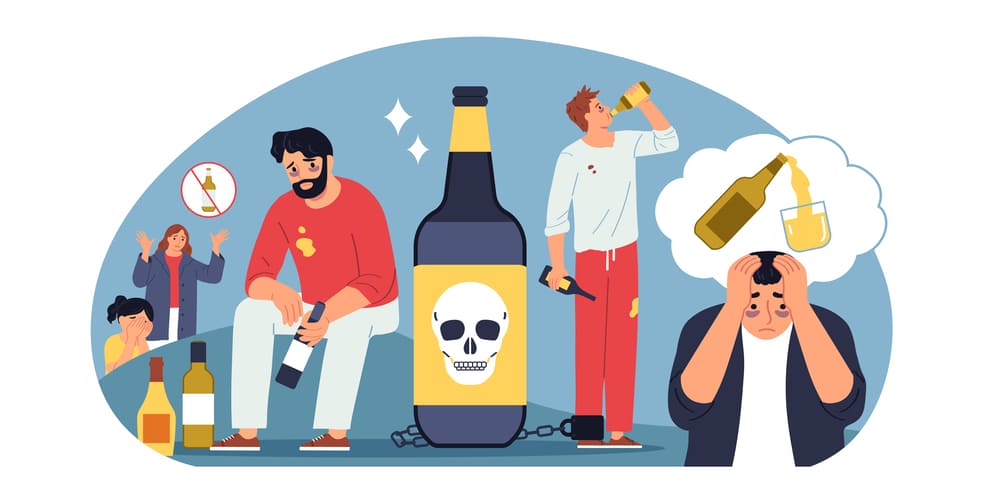
Alcohol's effect on the brain
It’s helpful to realize that the human brain continues to grow and develop until age 25. Frequent alcohol use can have a negative impact on regions of the brain that handle learning, memory, speech, as well as visual and spatial thinking.
Alcohol’s impact on the brain—not to mention its immediate effects on everyday functioning—may explain why kids who drink usually have serious difficulties in school. Young people who admit to binge drinking are 4 to 6 times more likely than non-drinkers to skip classes. High schoolers who drink regularly are 5 times more likely to drop out. Drinking is related to 40% of all academic problems in college—and 28% of kids who leave before getting their degrees cite problem drinking as one cause
Unhealthy coping skills
Teens who drink can also develop harmful coping strategies. One of the key lessons teens learn during adolescence is how to cope with life’s stresses—a poor test score, conflict with friends or family members, nervousness about an upcoming sports or music competition. There are healthy ways to cope with these challenges. But teens who drink alcohol may learn at a young age that substances can help them relax, at least temporarily. This can lead to problems with addiction.
Alcohol use disorder
Underage drinking can have other long-lasting effects. Research shows that people who start drinking before age 15 are more than 5 times likelier to develop alcohol use disorder (AUD) later in life, as compared with people who only drank after reaching legal age.
Why do teens drink?
There are several factors that might motivate kids and teens to drink.

Peer pressure
Between 11 and 18 years of age, young people are especially open to the influence of people around them. They generally focus on what kids their own age do and say, but family members, the media and the surrounding community matter, too. If everyone they admire and trust seems to be drinking, kids may feel pressured to try it.

Stress
Most young people worry about school, their social standing, what’s happening to the world around them and a lot more. Many use alcohol to mute the fearful voices inside them. Sources of stress might include going from middle school to high school, breaking up with a friend or romantic partner, or facing a family separation or divorce. A major move, a serious illness or any other traumatic event might also make kids want to escape their troubles. For some, alcohol may seem like an easy escape.

Environment
If children grow up hearing that drinking—even heavy drinking—is normal, fun, or helpful in coping with life’s stress, they will likely experiment with alcohol at an early age. The example that parents and others in their lives set for them will shape their own attitudes about alcohol.

Family history
Kids from families (birth or adoptive) in which others struggled with addiction will face higher risks for problems with alcohol. We know that alcohol use disorder is a complex disease that involves genetic risk. However, adopted children who grow up in homes where alcohol is misused also face higher risks for alcohol use disorder.
Here are suggestions for starting a meaningful and supportive conversation with your child.
- Start talking about alcohol with your child when they are around 9 years old.
- Bring the subject up in a relaxed, non-judgmental way.
- Find the right moments.
- Consider sharing your own stories
- Normalize non-use.
- Set clear expectations and guidelines based on age
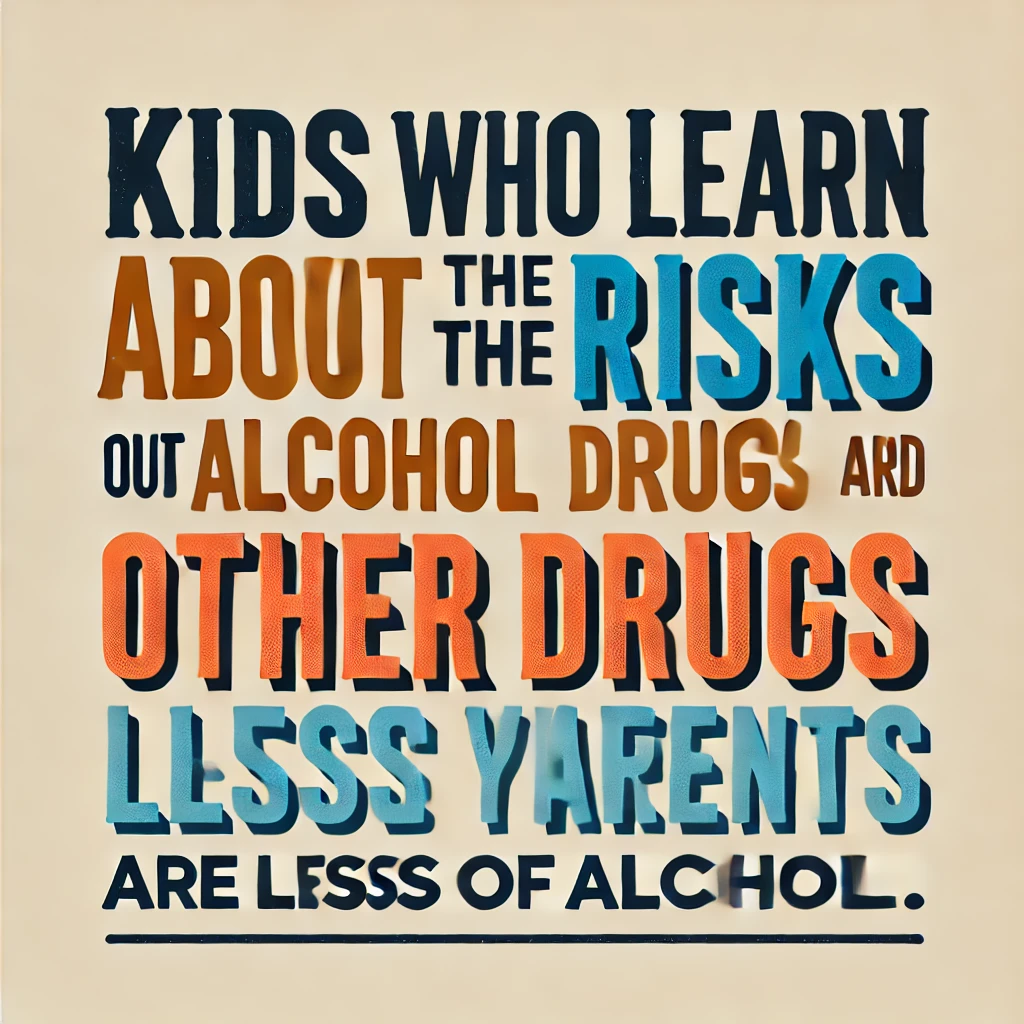
6 tips to remember
- Start the conversation about alcohol use early.
- Be calm, loving, and supportive
- Ask your pediatrician for support
- Seek out specialized resources if you need them
- Make it safe for your child to tell you anything.
- Don’t end the conversation when your child moves out or goes to college.